Why is a PC socket professional?
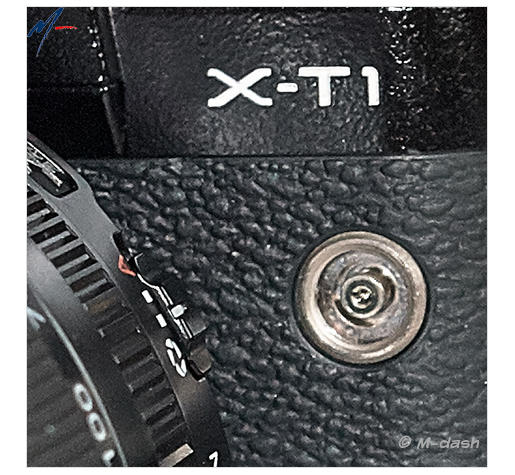
It has long been suggested that cameras for professional and enthusiast photographers should have a coaxial socket for flash. Why?
When I started in photography in 1970 it was certainly true that it was necessary if you wanted to use pretty much any flash gun off camera. Even hot shoes had only just become universal so you would use a pc synch cable.. To use a powerful "hammerhead" flash gun or studio flash (strobes) they needed to be triggered by a synch cable using the PC socket.
But by the 1980s on-camera flash, such as Speedlights/ Speedlites, were dedicated to each manufacturer's cameras and each had a different modification to the previously universal hot show so that they could meter through the lens (TTL) to control the flash gun. When such flash guns were used off-camera they needed a dedicated cable to connect them to the hot shoe to maintain the TTL capability. That was usually the case until very recently, many people still do. For all but studio use that is the setup pretty well all photographers will use, except perhaps a few diehards using old film cameras.
But the need was already becoming a myth by the 1990s as professional studio flash systems were using remote triggers to avoid trailing cables. Initially they were often triggered by a low-powered flash or infra-red transmitter mounted in the camera's hot shoe - I used a small cheap flash gun with a piece of exposed and developed colour transparency film as an infra-red filter (to stop the trigger flash interfering with the lighting) over the flash unit. But since the start of the 21st century flash triggers have used radio and are much more sophisticated so that they often now provide remote control of multiple flash heads.
I am not a serious studio worker so have only ever had a basic studio lighting setup but even I have not used the PC socket and a synch cable since about 1980. All but the cheapest current studio flash kits have radio control and the rest will work with infra-red and flash triggers without cables. So why did reviewers enthuse about the inclusion of the coaxial PC socket on the Fuji X-T1 as a sign of Fuji professional intents? Why did Fuji include one?
I do not want the PC socket, I always end up losing the little plastic cover, it is just a nuisance and unnecessary.
Add new comment